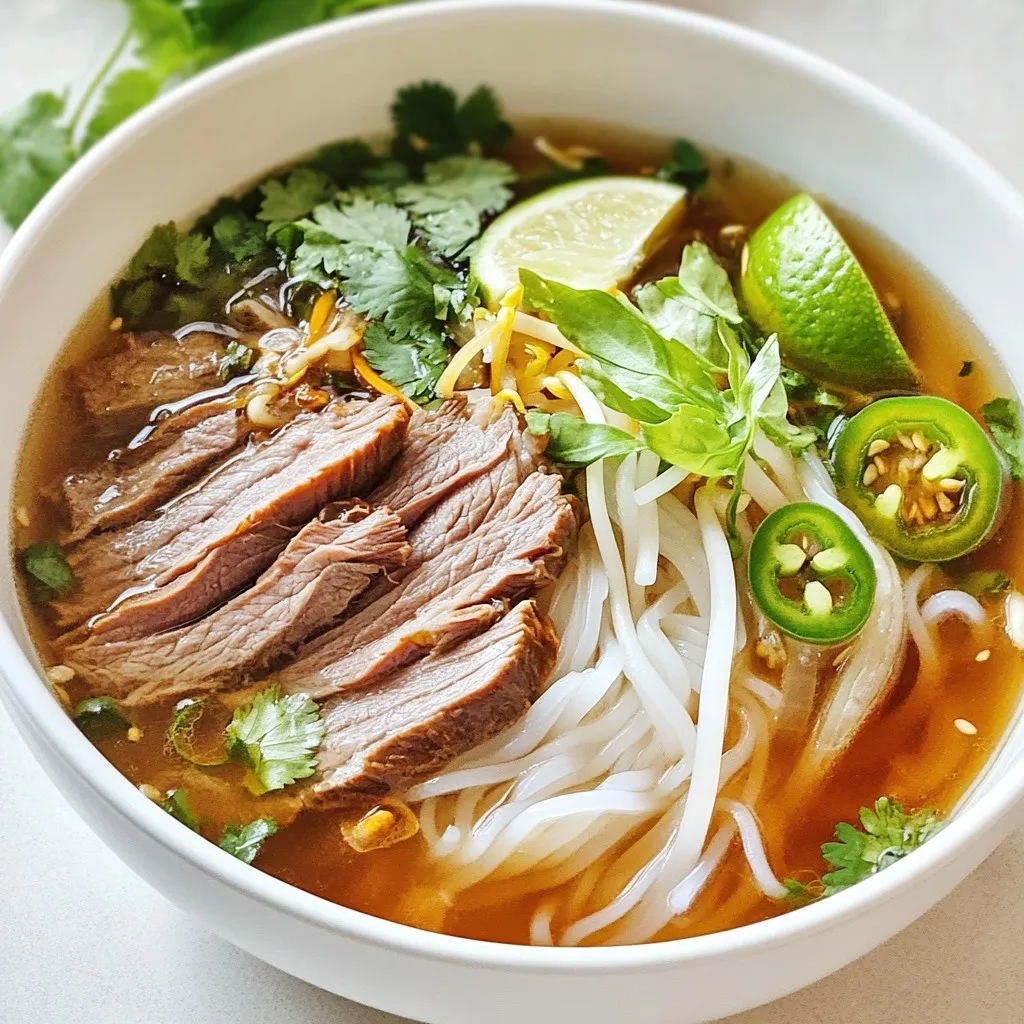
Welcome to your guide on authentic beef pho! This dish is rich in flavor and has deep roots in Vietnamese culture. I’ll share simple steps to make the best pho at home. From selecting fresh herbs to perfecting the broth, you’ll learn all the tips you need. Get ready to impress your family and friends with this tasty soup that warms the heart. Let’s dive into this delicious adventure!
Why I Love This Recipe
- Authentic Flavor: This pho recipe captures the rich and savory essence of traditional Vietnamese cooking, making it a comforting bowl of goodness.
- Customizable Toppings: The variety of fresh herbs and garnishes allows everyone to tailor their pho to their taste preference, creating a personal dining experience.
- Heartwarming Experience: Preparing pho can be a fun and engaging activity, bringing friends and family together in the kitchen for a shared meal.
- Slow-Cooked Goodness: The long simmering time allows the flavors to meld beautifully, resulting in a broth that is both deep and complex.
Ingredients
Main Ingredients for Authentic Beef Pho
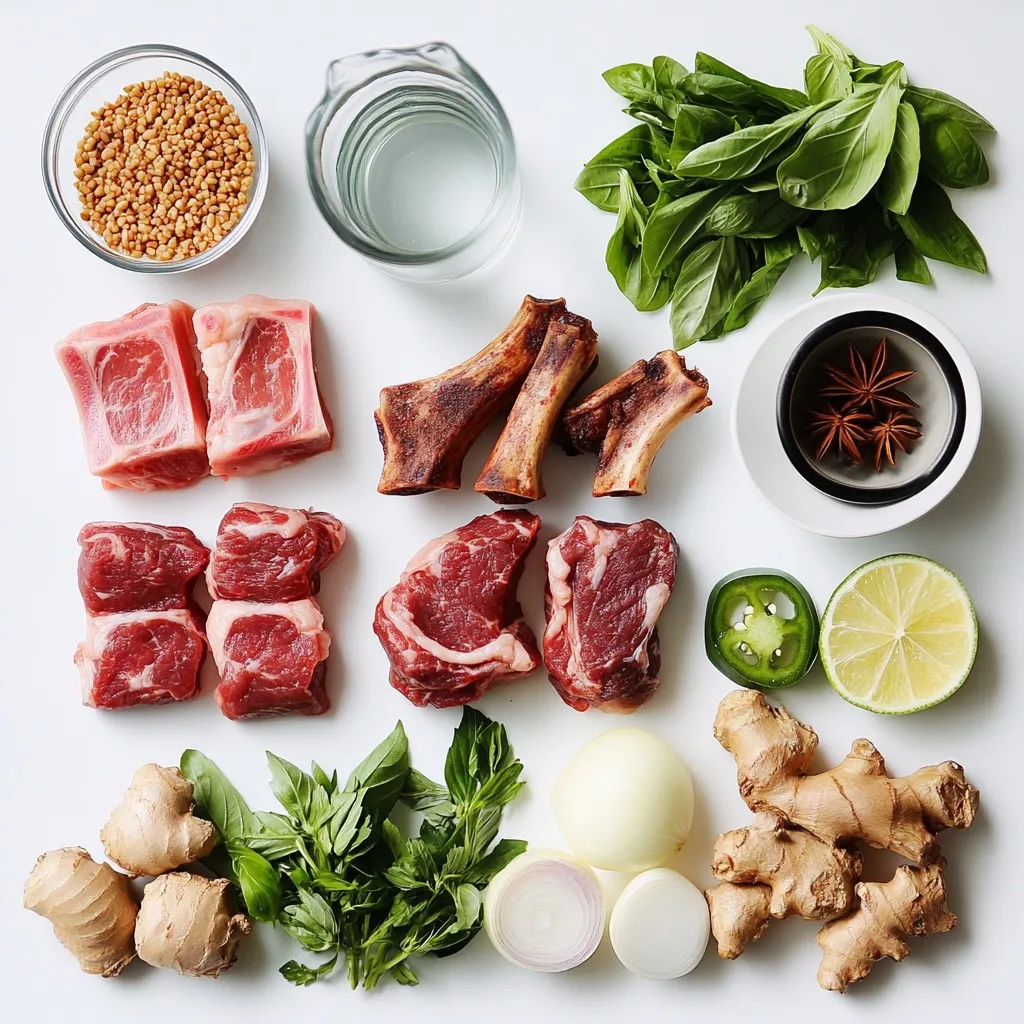
To make a great beef pho, you need key ingredients. Here’s what you’ll need:
– 1 lb beef brisket, thinly sliced against the grain
– 1 lb beef bones, preferably with marrow
– 8 cups cold water
– 1 onion, halved
– 1 ginger root (2 inches), sliced into thin pieces
– Rice noodles (pho noodles), prepared according to package instructions
These main ingredients create a rich and hearty broth. The brisket adds flavor and texture, while the bones provide depth.
Essential Spices and Aromatics
Spices and aromatics are what make pho special. Here’s the list of essential spices:
– 2 star anise pods
– 1 teaspoon crushed coriander seeds
– 1 cinnamon stick
– 2 whole cloves
– 1 tablespoon fish sauce
– 1 teaspoon sea salt
– 1 tablespoon sugar
These spices bring warmth and depth to the broth. They also add a lovely aroma that fills your kitchen.
Garnishes and Serving Suggestions
Garnishes enhance the flavors and look of your pho. Here’s what to serve on the side:
– Fresh basil leaves
– Bean sprouts
– Sliced jalapeños
– Lime wedges
When serving, arrange the garnishes in small bowls. This way, everyone can customize their bowl. It makes the meal feel more personal and fun. Enjoy a steaming bowl of pho with these fresh toppings!
Step-by-Step Instructions
Preparing the Broth
To make the broth, you need beef bones. Start by placing 1 pound of bones into a large stockpot. Add 8 cups of cold water. Put the pot on high heat and let it boil. Once it boils, lower the heat to medium-low. Let it simmer for about 30 minutes. As it simmers, skim off any foam that forms on top. This keeps the broth clear and clean.
Charring the Onion and Ginger
While the broth simmers, you can prepare the onion and ginger. Take 1 halved onion and 2 inches of sliced ginger. Heat a dry skillet over medium heat. Place the onion and ginger cut-side down in the skillet. Cook them for about 5 to 7 minutes. You want them to get a nice brown color and smell great. This adds depth to your broth.
Assembling the Pho
After 30 minutes, it’s time to add the charred onion and ginger to the pot. Add the star anise, crushed coriander seeds, cinnamon stick, whole cloves, fish sauce, sea salt, and sugar. Stir everything gently. Let the broth simmer for 2 to 3 hours. This allows all the flavors to blend.
Once the broth is done, strain it through a fine-mesh sieve into another pot. Discard the solids. Cook the rice noodles according to the package instructions. After draining the noodles, place a handful in each serving bowl. Lay several slices of raw beef brisket on top. The hot broth will cook the meat perfectly.
Ladle the steaming broth over the noodles and beef. Serve with fresh basil leaves, crunchy bean sprouts, spicy jalapeños, and lime wedges. Let everyone customize their bowl.
Tips & Tricks
Achieving the Perfect Broth Flavor
To make a rich broth, start with good bones. Use beef bones with marrow for depth. Boil the bones first, then simmer slowly. This brings out the flavor. Skim off any foam you see at the top. Char the onion and ginger to add a smoky taste. Don’t rush the simmering time; let it go for 2-3 hours. This allows all the spices to merge well.
Cooking Techniques for the Best Pho Noodles
Cook the rice noodles just until tender. Follow the package instructions carefully. Avoid overcooking, as they will become mushy. Rinse them under cold water to stop the cooking. This helps them stay firm in the broth. When serving, place the noodles in bowls first. Then, add the raw beef on top. The hot broth will cook the beef beautifully.
Presentation Tips for Serving
For a lovely display, use small bowls for garnishes. Fresh basil, bean sprouts, and jalapeños look great together. Let guests choose their toppings. Lime wedges add a bright touch at the end. Serve everything on a rustic wooden board for warmth. This makes the meal feel special and inviting.
Pro Tips
- Use Quality Bones: Select beef bones with marrow for a richer, more flavorful broth. Marrow adds depth and a silky texture that enhances the overall taste.
- Control the Heat: Simmer the broth gently to extract flavors without boiling. A gentle simmer prevents the broth from becoming cloudy and allows for a clear, beautiful finish.
- Char for Flavor: Don’t skip the charring step for the onion and ginger. This caramelization adds a smoky, complex flavor to the broth that elevates your pho.
- Customize Your Toppings: Encourage guests to personalize their pho with garnishes like fresh herbs, bean sprouts, and lime. Each addition brings a new layer of flavor and freshness to the dish.
Variations
Regional Differences in Beef Pho
Beef pho has many styles based on where it comes from. In the North, pho has a clear broth and less spice. They focus on beef flavor. The noodles are wider too. In the South, the broth is richer and sweeter. They add more herbs and spices. You’ll find fresh herbs like cilantro and mint. The Southern style often includes bean sprouts and lime. Each region shows its local taste and culture through pho.
Alternative Protein Options
You can change the protein in your pho if you want. Instead of beef, try chicken or pork. Chicken pho offers a light and fresh taste. Pork brings a different flavor but still pairs well with the broth. If you like seafood, shrimp or fish can work too. Just make sure to adjust cooking times. Thin slices of protein cook quickly in the hot broth. This keeps your meal tasty and satisfying.
Vegan or Vegetarian Pho Alternatives
If you want a vegan or vegetarian option, use vegetable broth as your base. Start with mushrooms for a rich flavor. You can add tofu for protein and texture. Use the same spices: star anise and cinnamon. These spices help build a fragrant broth. Load up your pho with fresh veggies. Think about bok choy, carrots, and snap peas. This way, you get a hearty meal that feels just as comforting.
Storage Info
How to Store Leftover Broth
After you finish your beef pho, you might have leftover broth. To keep it fresh, let it cool down to room temperature. Then, pour it into a clean container. Make sure the container is airtight. Store it in the fridge for up to four days. If you notice any fat on top, you can skim it off before storing. This helps keep the broth clear and tasty.
Freezing and Reheating Instructions
If you have more broth than you can use, freezing is a great option. Pour the broth into freezer-safe bags or containers. Leave a little room at the top for expansion. You can freeze the broth for up to three months. When you’re ready to enjoy it again, thaw it in the fridge overnight. To reheat, warm it in a pot over low heat. Stir occasionally for even heating.
Best Practices for Storing Garnishes
Garnishes add flavor and color to your pho. To keep your garnishes fresh, store them separately. Use a paper towel to wrap fresh basil leaves. Place them in a plastic bag in the fridge. This keeps them crisp. For bean sprouts, keep them in a container with a lid but do not wash them until you are ready to use them. Sliced jalapeños can stay in a sealed bag in the fridge for a few days. Use them within a week for the best taste.
FAQs
What is the origin of beef pho?
Beef pho comes from Vietnam. It started in the early 20th century. This dish grew from French influence and local flavors. People enjoyed beef broth with rice noodles. Pho became popular in the streets of Hanoi. Each region added its twist to the dish. Now, it is loved worldwide.
Can I make beef pho ahead of time?
Yes, you can make beef pho ahead of time. The broth tastes even better after sitting. Cook it and cool it down. Store it in the fridge for up to three days. You can also freeze the broth for up to three months. Just reheat it when you are ready to enjoy it.
What other toppings can I add to my pho?
You can add many toppings to your pho. Here are some great options:
– Fresh cilantro
– Thinly sliced onions
– Hoisin sauce
– Sriracha sauce
– Fried shallots
– Thinly sliced mushrooms
– Crunchy radishes
– Bean sprouts
– Fresh lime juice
Feel free to mix and match! Each topping adds a unique flavor and texture. Enjoy customizing your bowl!
In this post, we covered how to make authentic beef pho. We looked at key ingredients, steps for the broth, and tips for great flavors. I shared variations, storage advice, and answered common questions.
Making pho at home is fun and rewarding. You can adjust flavors to fit your taste. So, gather your ingredients, follow the steps, and enjoy a warm bowl of delicious pho. Cook with passion, and share your own twist